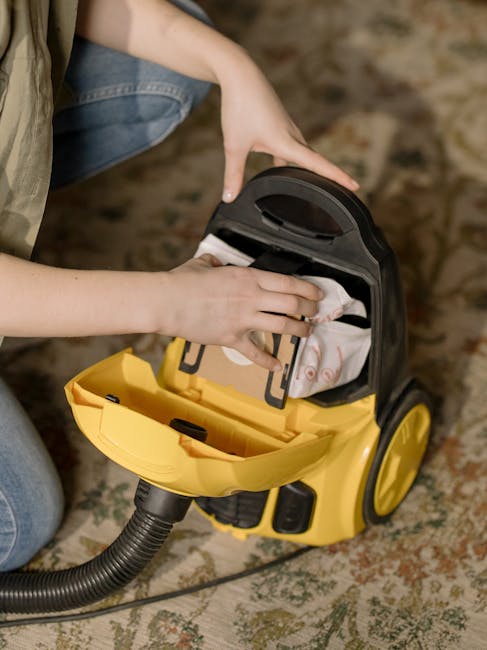
What to know about emergency carpet cleaning in Hounslow
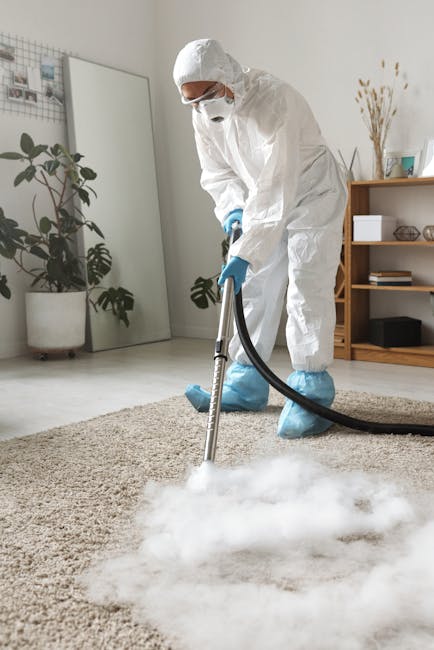
Spills rarely arrive at a convenient time. One minute the carpet looks fine, the next you're staring at red wine, muddy footprints, pet accidents, or a sudden leak spreading across the floor. If you need emergency carpet cleaning in Hounslow, the main thing to know is this: acting quickly usually gives you the best chance of saving the fibres, reducing stains, and avoiding that lingering damp smell that seems to hang around forever.
This guide explains what emergency carpet cleaning actually involves, how it works in a real-life rush, what to do before help arrives, and how to judge whether a same-day or urgent callout is worth it. It also covers common mistakes, the kinds of situations that need immediate attention, and a practical checklist you can use when every minute counts. Truth be told, when the carpet is wet and the clock is ticking, a calm plan makes all the difference.
Quick expert summary: In an emergency, your priorities are to stop the damage spreading, avoid rubbing the stain deeper, limit moisture, and get the right cleaning method for the material. The faster you respond, the better the outcome tends to be.
Why emergency carpet cleaning matters
Emergency carpet cleaning matters because a carpet is not just a surface you walk on. It is a layered material that can trap liquid, dirt, bacteria, odours, and residue below the visible top. So if you leave a spill or a soak too long, the damage can move from the top layer into the underlay and even the subfloor. That's where things get messy. Not impossible, but messy.
In Hounslow, that can become a bigger headache than people expect. Busy family homes, rental flats, offices near transport links, and properties with heavy footfall all see accidents happen more often than you'd like. A coffee knocked over in the morning rush, a pet accident after a wet walk, or a leak from a washing machine can quickly turn into a staining and odour problem by the evening.
Emergency cleaning is also about timing. A fresh stain usually responds better than one that has dried, oxidised, or been spread around by attempted DIY cleaning. And for water-related incidents, the longer the carpet stays wet, the higher the risk of musty smells, backing damage, and mould-friendly conditions. Nobody wants to peel up a corner of carpet later and discover a surprise. No thanks.
If you want broader context on service choices in the area, it can help to look at the wider services overview and how carpet care fits with other home or office cleaning needs. For deeper routine maintenance, the general carpet cleaning in Hounslow service page is also useful background.
How emergency carpet cleaning works
Emergency carpet cleaning is usually a fast-response version of normal professional carpet care. The difference is that the technician has to assess the situation first, choose a safe method quickly, and stop the problem worsening while still protecting the carpet type.
Most urgent jobs follow a simple pattern:
- Initial assessment. The cleaner asks what caused the damage, when it happened, what the carpet is made from, and whether there's a smell, leak, or stain involved.
- Stabilising the area. Any loose debris is removed. Excess liquid may be extracted. If the spill is still spreading, the priority is containment.
- Choosing the method. Hot water extraction, low-moisture cleaning, spot treatment, or a combination may be used depending on the fabric and the type of contamination.
- Targeted treatment. Stains, odours, or residue are treated with the least aggressive method that still does the job.
- Drying support. Faster drying is important, especially after water ingress. Airflow, extraction, and sensible post-clean advice all matter here.
That all sounds straightforward, but the real skill is judgement. A wool carpet with a wine spill does not need the same handling as a synthetic office carpet with mud tracked across it after a rainy commute. One-size-fits-all cleaning is where problems start.
If the spill has also affected furniture, a related service such as upholstery cleaning in Hounslow may be relevant, especially if the same drink, pet accident, or leak hit a sofa or armchair too. In real life, these things rarely happen in isolation, do they?
Key benefits and practical advantages
The obvious benefit is damage control. But emergency carpet cleaning offers a few less obvious advantages that matter just as much.
- Better stain removal chances. Fresh contamination is typically easier to lift before it bonds to the fibres.
- Reduced odour risk. Urine, food spills, milk, and stagnant water can create lingering smells if not treated promptly.
- Lower chance of spread. Fast extraction helps stop a stain from creeping outward or soaking deeper.
- Less disruption later. A quick callout can save you from larger repairs or repeated cleaning attempts.
- More confidence in rental or commercial settings. If you manage a property or business, a fast response helps keep the place presentable.
There is also a practical emotional benefit. Let's face it, a huge spill on a carpet can make the whole room feel out of control. Getting it sorted quickly brings the temperature down, so to speak. You stop worrying about the stain becoming permanent and can focus on the rest of the day.
For landlords and tenants, this can matter during moving periods. If a spill has happened near the end of a tenancy, the response may influence whether the carpet is restored before handover. In those situations, urgent help can reduce stress on both sides, and that's never a bad thing.
Who this is for and when it makes sense
Emergency carpet cleaning is not only for dramatic disasters. It is for anyone who needs quick action before normal cleaning schedules would be too slow. That includes homeowners, tenants, landlords, letting agents, offices, retail spaces, and holiday or event properties.
It makes sense when you are dealing with:
- fresh drink spills such as wine, coffee, tea, juice, or fizzy drinks
- pet accidents, especially where odour is already starting to settle in
- muddy footprints after wet weather
- food drops, sauces, grease, or dairy spills
- bath overflow, plumbing leak, or rainwater ingress
- post-party cleanup after a busy evening
- unexpected mess in a rented property before an inspection
- office or shop incidents where the carpet needs to look presentable quickly
A useful rule of thumb: if the incident is still wet, still smells, or still spreading, it probably deserves urgent attention. If it is dry but badly set in, that may still need specialist treatment, just not always an emergency response. Slight difference, but an important one.
For local readers wanting practical area context, the local guides on Hounslow High Street carpet cleaning and same-day deep cleaning near Hounslow West Station show how urgent cleaning often fits around busy neighbourhood life.
Step-by-step guidance
If you are dealing with a carpet emergency right now, do the following in order. The sequence matters more than people think.
- Stop the source if you can. Turn off the tap, move the glass, lift the pet away, or deal with the cause of the spill.
- Blot, don't rub. Use a clean cloth or paper towel to absorb as much as possible. Press gently. Rubbing just pushes the mess deeper. Annoying, but true.
- Keep the area contained. Avoid walking through the spill. If possible, keep pets and children away until the area is stable.
- Do not soak it with random products. A little water is one thing; an over-enthusiastic DIY cocktail of detergent, bleach, and hope is another.
- Note the carpet material. Wool, synthetic, blended, and commercial carpets may need different handling. If you do not know, say so when booking.
- Photograph the damage. This helps if you need to explain the incident to a landlord, insurer, or building manager.
- Call for urgent help. Give a clear description of the spill, the carpet type if known, and whether the issue is a stain, odour, or water damage problem.
- Prepare the room. Move small items out of the way and create access. The faster the cleaner can start, the better.
- Follow the drying advice. Once cleaning is done, use ventilation where appropriate and avoid replacing heavy furniture too soon.
One small but useful detail: if the spill came from dirty water or a leak, the process may be about sanitising as much as cleaning. That changes the approach slightly, especially in homes with children or where the carpet may have absorbed moisture for a while.
Expert tips for better results
A few practical habits can make a big difference. These are the things experienced cleaners tend to look for quickly.
- Act in the first hour if possible. The sooner the response, the less likely the stain is to bond.
- Use plain white cloths. Coloured towels can bleed dye into the carpet, which is the sort of help nobody asked for.
- Work from the outside inward. This helps avoid spreading the stain.
- Be honest about the cause. A pet accident, wine spill, or bleach splash all need different products and methods.
- Ask about drying time. Fast treatment is good, but a carpet that stays damp for too long can become a new problem.
- Check whether the stain has already been treated. Some DIY products react badly when mixed with professional solutions.
- Keep receipts and notes if the carpet is rented or insured. You may need a record of what happened and what was done.
In our experience, the best outcomes usually come when the customer gives a plain, detailed description rather than trying to sound perfect. "Red wine on a beige carpet, about 20 minutes ago, small area near the sofa" is much more useful than a vague "there's a mark". Specifics save time.
If you are comparing options, reading about how to avoid hidden cleaning charges in Hounslow bookings can also help you understand what should be included in a genuine emergency callout.
Common mistakes to avoid
Most carpet damage gets worse because someone tries to "fix" it too quickly or with the wrong product. The classic mistakes are easy to make under pressure.
- Rubbing aggressively. This frays fibres and spreads the stain.
- Using too much water. Flooding the area can push contamination into the underlay.
- Applying bleach or strong household chemicals. These can permanently lighten or damage the carpet.
- Mixing cleaning products. Dangerous reactions aside, mixed residues can be hard to remove.
- Leaving wet towels on the carpet for hours. Helpful for a few minutes, not for half the day.
- Waiting overnight. Fresh stains and damp patches are always easier to deal with early.
- Ignoring odour. If it smells, there is usually still a source of residue or moisture somewhere in the fibres.
A lot of people also assume all carpets can be treated the same way. Not quite. A synthetic office carpet may tolerate a very different approach to a delicate home carpet. If in doubt, say less and let the cleaner inspect it first. That is honestly safer.
Tools, resources and recommendations
You do not need a van full of equipment to handle the first few minutes of an emergency, but a small kit helps. Keep it simple.
- clean white cloths or absorbent paper towels
- a small bowl of plain lukewarm water for blotting, if appropriate
- a spoon or blunt tool for lifting solids gently
- gloves for unpleasant messes
- mobile phone for photos and booking
- access to windows or ventilation where safe
- a note of the carpet material if you already know it
For property managers or busy households, it is worth having a preferred cleaning contact saved in advance. Emergencies always feel twice as stressful when you are searching on your phone with one hand and holding a towel with the other. Been there, mentally at least.
If the spill is linked to a broader clean-up, these pages may help you plan the next step: end of tenancy cleaning in Hounslow, domestic cleaning in Hounslow, house cleaning in Hounslow, and office cleaning in Hounslow. You may not need all of them, of course, but the right context helps.
Law, compliance, standards, or best practice
For carpet cleaning, the most relevant point is less about a specific emergency law and more about safe, sensible practice. If a cleaner is working in a home or business, they should use methods and chemicals carefully, follow product instructions, and avoid creating slip risks or unnecessary damage. In rented or managed properties, it is also wise to keep records of what happened, when it happened, and what treatment was carried out.
Good practice usually includes:
- clear communication about the carpet type and the cause of the issue
- using suitable cleaning agents rather than generic harsh chemicals
- protecting nearby furniture and surfaces
- minimising over-wetting
- advising on drying time and safe re-entry
- being transparent about expected results, especially with old or set-in stains
There is also a practical insurance angle. If water damage, accidental staining, or a lease issue is involved, photos and written notes can be very helpful. That is not legal advice, just a sensible habit that saves hassle later. And hassle, in this game, is what everyone is trying to avoid.
If you want more background on how a provider approaches trust and safety, the pages on insurance and safety, health and safety policy, and about us are useful supporting reading.
Options, methods, or comparison table
Different incidents call for different approaches. Here is a simple comparison to help you understand the usual options.
| Method | Best for | Strengths | Limitations |
|---|---|---|---|
| Spot treatment | Small fresh stains | Fast, targeted, low disruption | May not be enough for deep contamination |
| Hot water extraction | General soiling, larger spills, odour issues | Deep cleaning and strong residue removal | Can leave carpet damp for longer |
| Low-moisture cleaning | Sensitive carpets or quick turnaround jobs | Faster drying, less saturation | Not always ideal for heavy staining |
| Specialist odour treatment | Pet accidents or organic spills | Targets smell as well as stain | May require follow-up if contamination is deep |
There is no universal winner. A good cleaner chooses based on the carpet, the source of the damage, and how urgent the drying needs are. Sometimes the best outcome comes from combining two methods rather than leaning on one cure-all technique. Nice and neat would be lovely, but real carpets rarely oblige.
Case study or real-world example
Picture a typical Friday evening in Hounslow. A family has friends over, food is out, and someone knocks a glass of red wine onto a pale lounge carpet. It spreads quickly, and the first instinct is to scrub it with a kitchen cloth and a bit of detergent. That only makes the patch wider and roughens the pile a little.
Instead, they blot the surface, keep the area clear, and arrange an urgent clean the same evening. The cleaner arrives, checks the fibre type, applies a suitable stain treatment, extracts the residue, and advises on airflow overnight. The stain does not disappear like magic; that would be a bit too theatrical. But it is reduced enough that the room can be used normally again, and the carpet doesn't carry that sour, sticky smell the next day.
That's the real value of emergency carpet cleaning: not perfection by force, but fast damage control with the right method. Sometimes that difference is the whole story.
Practical checklist
Use this checklist the moment a carpet incident happens.
- Stop the spill or source of moisture if safe to do so
- Blot gently with a clean cloth
- Avoid rubbing or scrubbing
- Keep people and pets off the area
- Do not apply bleach or mixed cleaning products
- Take a quick photo of the damage
- Note the likely cause and time of the incident
- Find out whether the carpet is wool, synthetic, or unknown
- Arrange urgent professional help if the stain or moisture is significant
- Follow drying advice carefully after treatment
Simple rule: if the issue is wet, smelly, or spreading, treat it as time-sensitive.
Conclusion
What to know about emergency carpet cleaning in Hounslow comes down to speed, judgement, and the right method for the job. The earlier you act, the better your chance of saving the carpet and avoiding a lingering odour or permanent mark. But speed alone is not enough. You also need to avoid over-wetting, skip the harsh DIY shortcuts, and choose treatment that suits the fibre and the mess.
Whether the problem is a wine spill after guests leave, a pet accident on a rainy morning, or water damage from a leak, the best response is calm and practical. A few careful minutes at the start can spare you hours of frustration later. And that's worth a lot when the room is still damp and life is carrying on around it.
If you want a sensible next step, review the service information, compare your options, and get help before the problem settles in. Get a free quote today and see how much you can save.
Sometimes the smallest fast decision is the one that saves the whole carpet.
Frequently Asked Questions
How quickly should I act after a carpet spill?
As quickly as you reasonably can. Fresh spills are much easier to treat than dried stains, especially if the liquid can soak into the underlay. Even ten to fifteen minutes can make a difference, so blot first and then arrange help if needed.
Can emergency carpet cleaning remove red wine stains?
Often it can reduce or remove them significantly, especially if the stain is fresh. Results depend on the carpet fibre, how long the spill has been there, and whether anything has already been rubbed into it. No cleaner can promise perfection on every stain, to be fair.
What should I do before the cleaner arrives?
Stop the source of the spill, blot gently, keep the area clear, and avoid adding more liquid or chemicals. If you can, take a photo and note what caused the damage so the cleaner can choose the right method straight away.
Is same-day carpet cleaning always available in Hounslow?
Not always, but it is often possible depending on the time of day and how busy the schedule is. Urgent bookings are more likely to be available when you call early and give a clear description of the issue.
Will emergency cleaning damage my carpet?
A properly chosen emergency clean should aim to protect the carpet, not damage it. The main risk usually comes from the wrong DIY approach, over-wetting, or using strong chemicals that are not suitable for the carpet type.
How do I deal with pet accidents on carpet?
Blot up as much as possible, avoid scrubbing, and arrange treatment quickly if the smell or stain is strong. Pet accidents often need both stain removal and odour control, which is why they are more than just a surface clean.
Can a wet carpet be saved after a leak?
Often yes, if it is dealt with promptly. The cleaner may need to extract moisture and address odour or contamination. The longer the carpet stays wet, the harder it becomes, so quick action really matters here.
What is the difference between emergency carpet cleaning and normal carpet cleaning?
Emergency carpet cleaning is focused on urgent response, damage control, and fast decision-making. Normal carpet cleaning is more planned and often covers routine maintenance or deep cleaning rather than immediate incidents.
Should I use baking soda or vinegar on a fresh stain?
Not automatically. Some home remedies help with some stains, but others can worsen the problem or leave residue that professional cleaning has to deal with later. If you are unsure, blot first and wait for proper advice.
How long will the carpet take to dry after emergency cleaning?
Drying time depends on the method used, room ventilation, carpet thickness, and how wet the carpet was to begin with. Low-moisture methods dry faster, while deeper extraction methods can take longer. Good airflow helps a lot.
Can emergency carpet cleaning help before a tenancy inspection?
Yes, especially if there has been a fresh spill, pet accident, or visible mark that needs urgent attention before handover. If the situation is tied to a move-out, it can also be sensible to review end of tenancy cleaning in Hounslow as part of the bigger picture.
How do I know if I need carpet cleaning or upholstery cleaning too?
If the same spill or contamination hit a sofa, chair, or mattress, you may need both. A lot of household accidents travel farther than expected. In those cases, checking upholstery cleaning in Hounslow can be a sensible next step.